
Meta description: A founder’s personal account of visiting Hiroshima on the 80th anniversary of the atomic bombing, and what the city’s rebuild reveals about nuclear risk, US-China-Asia tensions, and building resilient businesses in an unstable world.
The Clock That Stopped at 8:15
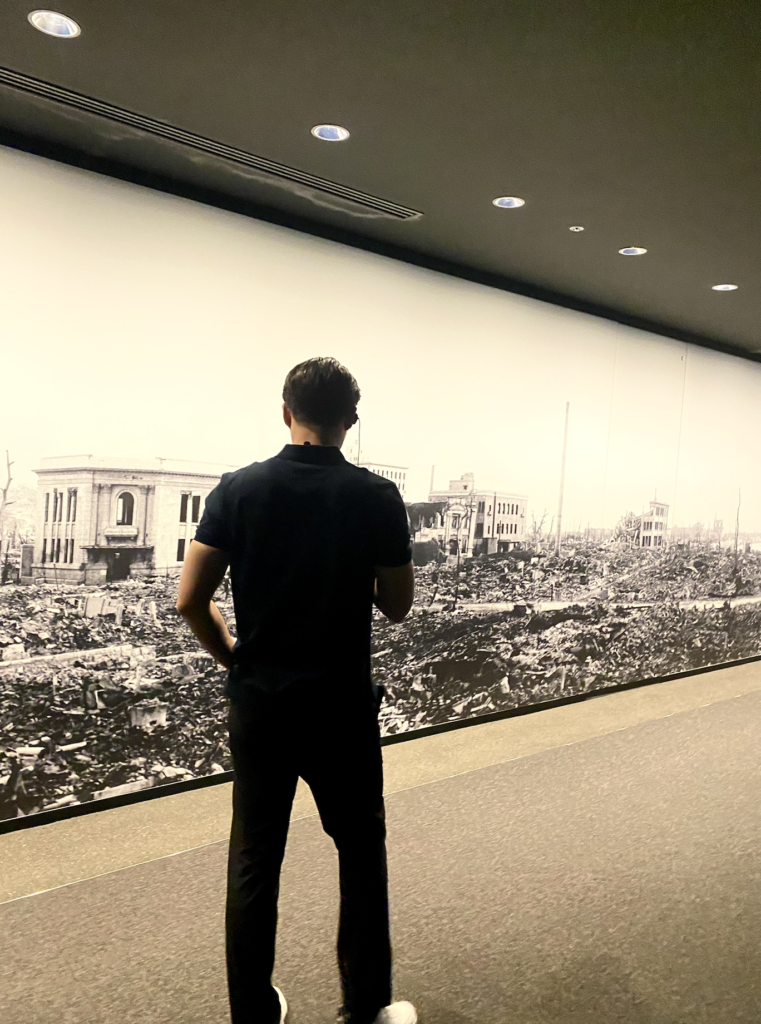
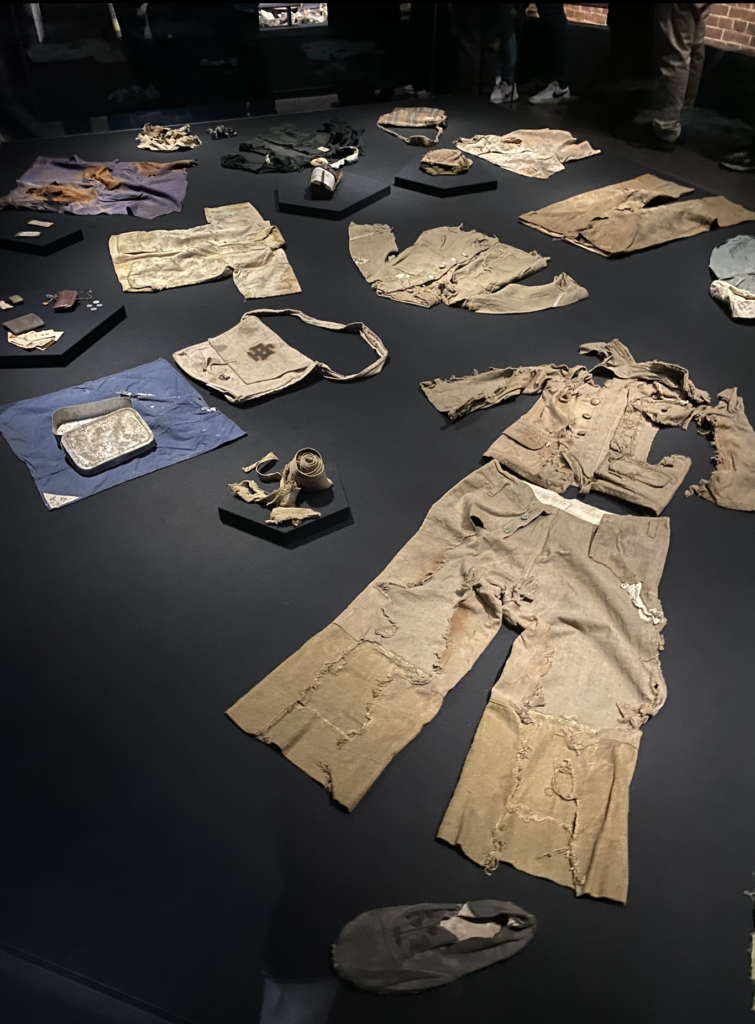
There is a wristwatch in the Hiroshima Peace Memorial Museum, its hands fused at 8:15. It belonged to no one anyone can name with certainty. That is, in a strange way, the point of it. On August 6, 1945, at that exact minute, a single bomb erased the ordinary morning of a city — commuters on bicycles, shopkeepers opening shutters, children walking to school — and replaced it with a permanent before-and-after in human history.
I stood in front of that watch on the 80th anniversary of the bombing, in a room full of people speaking a dozen languages, all of us equally silent. I had come to Hiroshima as a traveler and a founder — someone who thinks about cities, systems, and rebuilding for a living. I left thinking about something else entirely: how fragile the architecture of peace actually is, and how much of what I build professionally assumes that architecture will hold.
It might not.
A City That Chose to Become a Message
What strikes you first about modern Hiroshima is not the memorial. It’s how normal the city feels. Streetcars run on time. Okonomiyaki stalls fill with laughter in the evening. Baseball fans stream toward the Carp’s stadium a few kilometers from ground zero. For a city that was, by some 1945 assessments, expected to remain uninhabitable for decades, Hiroshima’s most radical act of defiance was simply choosing to live — and then choosing to remember out loud.
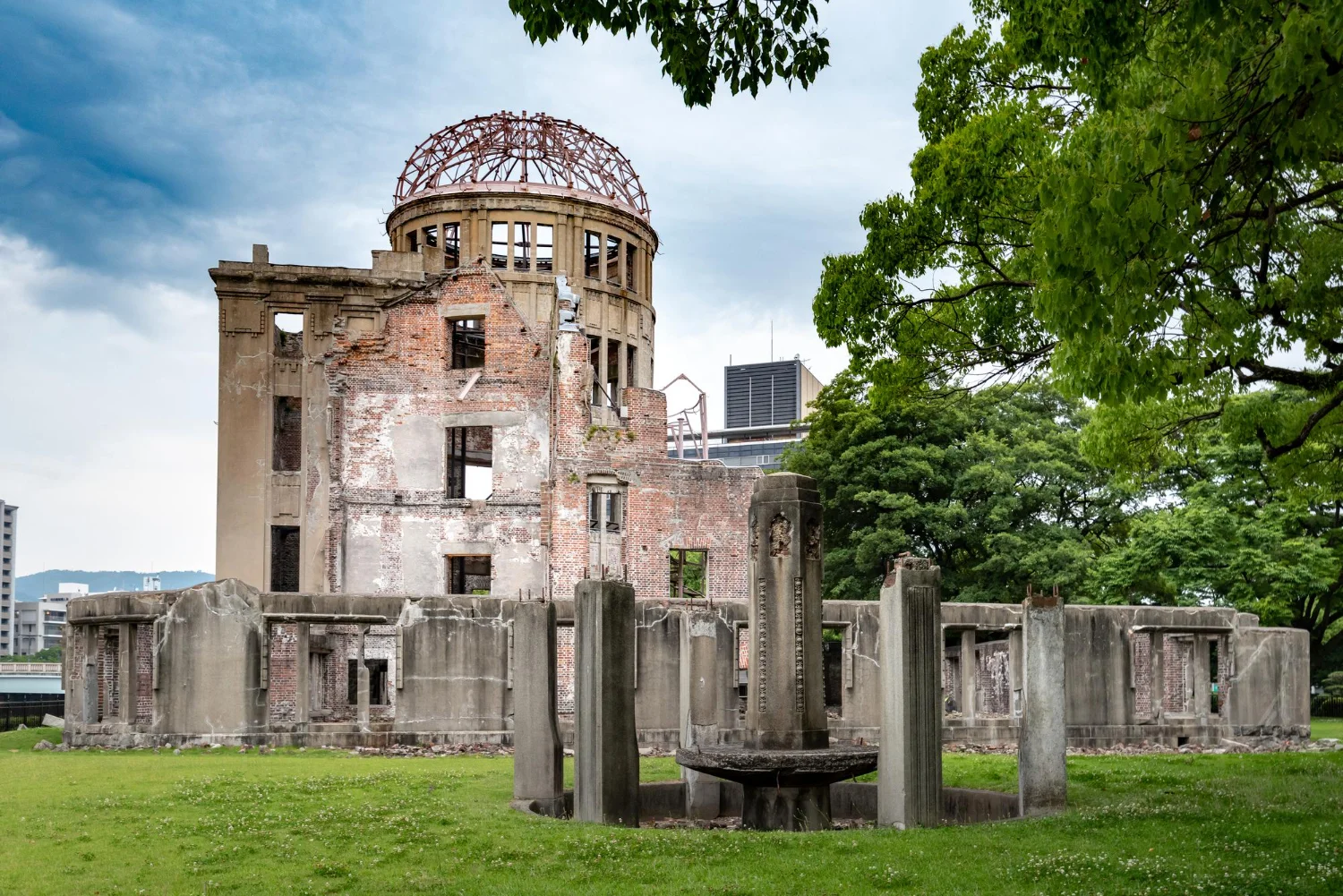
The city rebuilt itself around a deliberate civic decision: instead of hiding the wound, it turned itself into a permanent argument for peace. The Genbaku Dome – the skeletal ruin of the former Industrial Promotion Hall — was preserved exactly as the blast left it, not restored, not demolished. Japan’s government could have paved over the site the way most nations bury their worst days. Hiroshima did the opposite. It made the ruin a UNESCO World Heritage Site and built a museum, a park, and an annual ceremony around one unambiguous message: this must never happen again.
That is a strategic decision as much as a moral one. Hiroshima understood something most institutions forget — that the most durable brand a place or a person can build is not competence, but conviction, demonstrated consistently over decades. Eighty years of an unbroken annual ceremony is not sentimentality. It is one of the most disciplined pieces of long-term narrative-building on the planet.
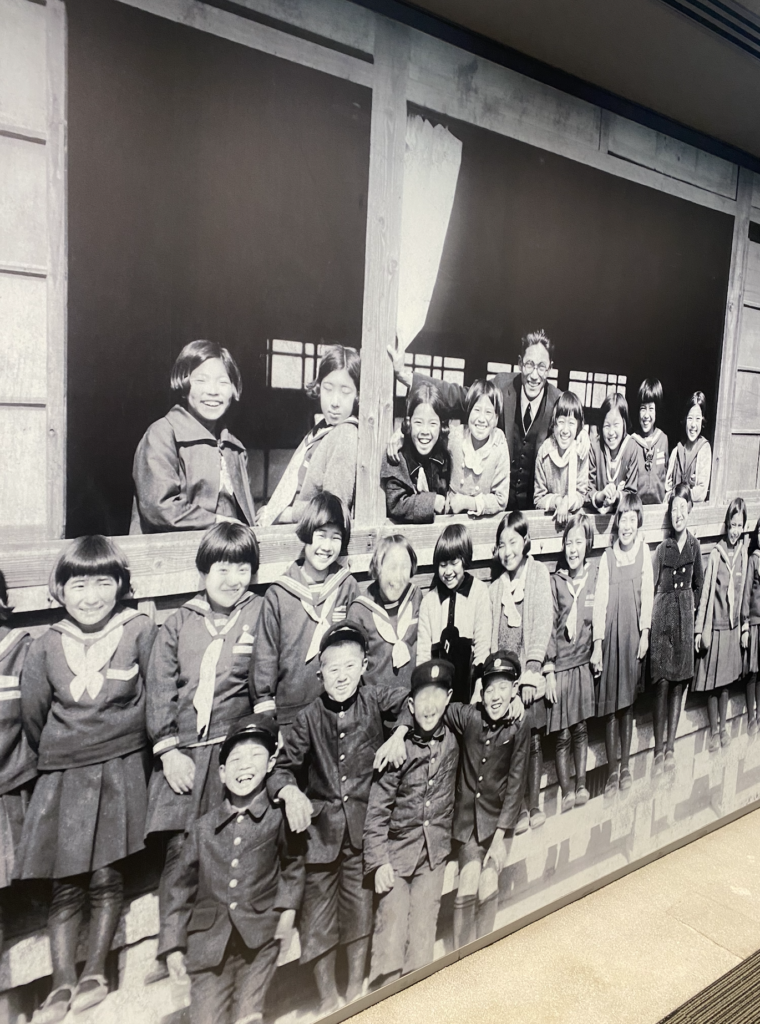
Standing at Ground Zero in a Year the World Forgot the Lesson
Here is what made this particular anniversary heavier than a routine act of remembrance: it landed in a year when the taboo Hiroshima was built to protect is visibly eroding.
For most of the post-1945 era, nuclear weapons occupied a strange psychological category — technically usable, practically unthinkable. That taboo was never guaranteed by physics. It was maintained by memory, by institutions, and by a shared elite consensus that the Hiroshima and Nagasaki bombings represented a line that should never be crossed again. Consensus, unlike physics, decays if it isn’t actively maintained.
Today, that maintenance is visibly straining:
- Nuclear rhetoric has re-entered mainstream diplomacy. Since 2022, explicit or implicit nuclear signaling — most visibly around the Russia-Ukraine war — has reintroduced nuclear threats as a tool of statecraft in a way that had been largely dormant since the Cold War.
- The arms-control architecture is thinning. Several of the treaties that constrained nuclear stockpiles and testing through the late 20th century have lapsed, been suspended, or gone unrenewed, leaving fewer binding guardrails than at almost any point since the 1970s.
- New nuclear-adjacent flashpoints have emerged in Asia, from tensions across the Taiwan Strait to North Korea’s expanding arsenal to the broader US-China strategic rivalry — all playing out in the same geographic region Hiroshima sits in.
- AI is entering the nuclear conversation. Faster decision cycles, automated early-warning systems, and AI-assisted command infrastructure are compressing the amount of human deliberation time built into a system that was designed, deliberately, to be slow.
None of this means catastrophe is imminent. It means the margin of error is shrinking in a domain where the margin of error was never supposed to be tested twice.
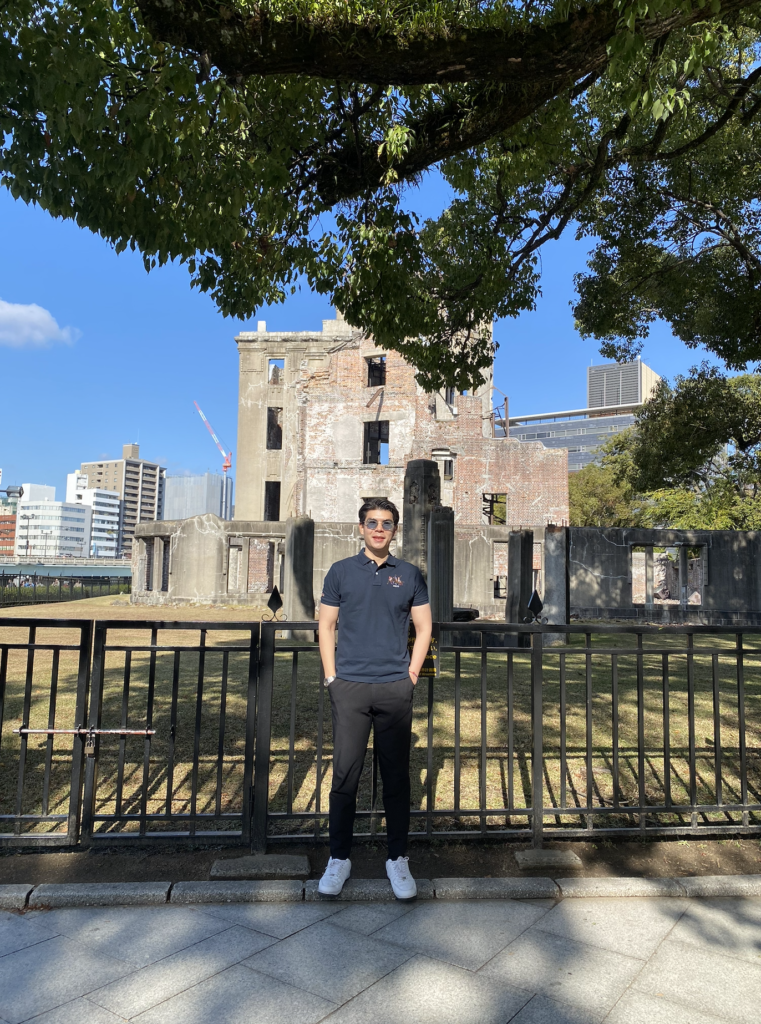
Why This Isn’t Just a History Essay – It’s a Risk Model
I run ventures across Thailand, China, and increasingly the broader Asia-Pacific corridor. Geopolitics is not an abstraction for someone building supply chains, travel routes, and cross-border partnerships in this region — it is a live input into every planning cycle, the same way interest rates or currency risk are.
Standing at Hiroshima’s hypocenter, the founder in me couldn’t turn off the pattern-recognition. Every system that looks stable until it isn’t shares a signature: the assumption of permanence baked into the behavior of everyone operating inside it. In August 1945, Hiroshima’s residents went about an ordinary Monday morning because nothing in their recent experience told them not to. The infrastructure of normal life — trust, routine, institutions — collapsed faster than anyone’s mental model could update.
I am not being alarmist. I am making a strategic point: resilience is a design choice, not a default state. The businesses, supply chains, and travel corridors I build across this region are constructed with the explicit assumption that geopolitical shocks are a “when,” not an “if” — not because I expect the worst outcome, but because the cost of assuming permanent stability, and being wrong, is asymmetric and unrecoverable. Hiroshima is the most extreme possible illustration of that asymmetry.
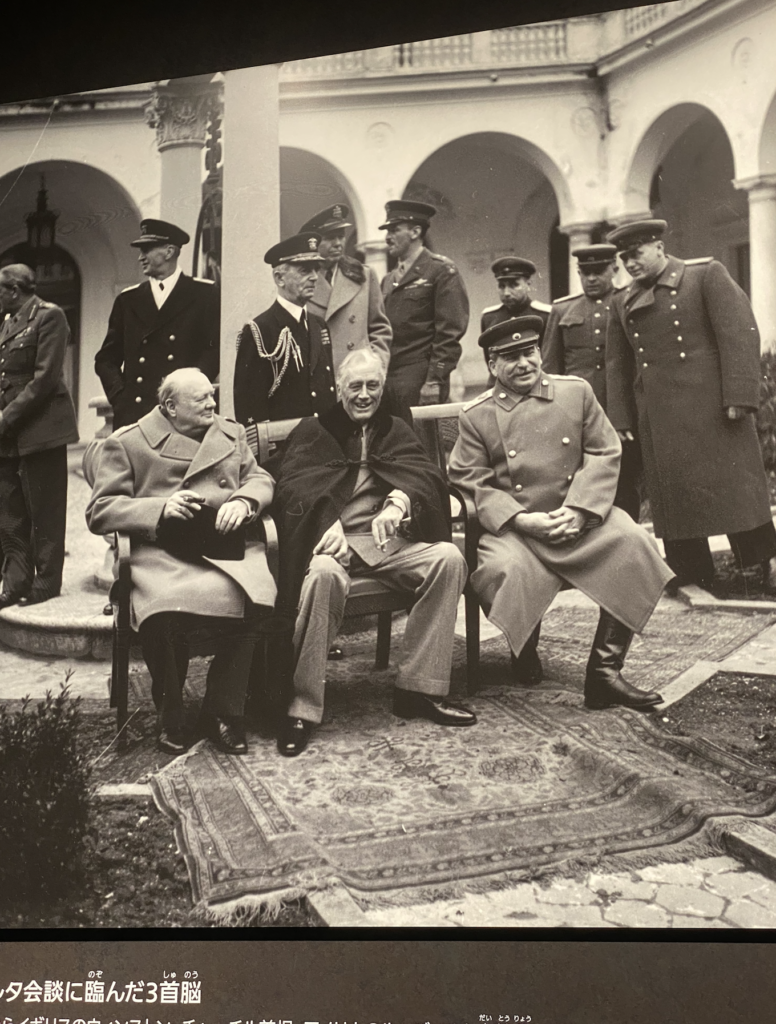
What Hiroshima Actually Teaches Founders and Operators
Set aside the scale of the tragedy for a moment — nothing in business compares to it, and I’m not suggesting otherwise — and look only at the mechanics of what happened after:
- Recovery speed is a function of pre-existing social infrastructure. Hiroshima rebuilt faster than almost anyone in 1945 predicted, largely because of the density of relationships, institutional knowledge, and civic cohesion that survived even when the physical city didn’t. The lesson for any operator: your real resilience asset isn’t your office or your inventory. It’s your network of trust — the people who will still answer your call when the infrastructure around you is gone.
- Narrative discipline compounds. Hiroshima chose one message and repeated it, unwaveringly, for 80 years. Brands, founders, and even nations that dilute their core message chasing short-term relevance rarely build anything as durable as what consistency builds.
- Peace, like any system, requires active maintenance. The most dangerous assumption in any domain — nuclear stability, market stability, a competitive advantage — is that the current equilibrium will simply persist because it has so far.
The Asia-Pacific Stakes Are Rising, Not Falling
It would be comfortable to treat Hiroshima as a closed chapter — a tragedy safely sealed inside the 20th century. The uncomfortable truth is that the region around it is currently one of the most consequential geopolitical theaters on Earth. Taiwan Strait tensions carry direct implications for the global semiconductor supply chain. North Korea’s weapons programs continue to advance. Trade and technology competition between the US and China increasingly shapes market access across Southeast Asia — including the exact corridors between Thailand and China I operate ventures in every day.
Businesses building in this region over the next decade are not operating in a geopolitically neutral environment, whether or not their pitch decks acknowledge it. The founders who will compound the most durable advantages are the ones who treat geopolitical literacy the way they treat financial literacy: not as a side interest, but as core operating infrastructure.
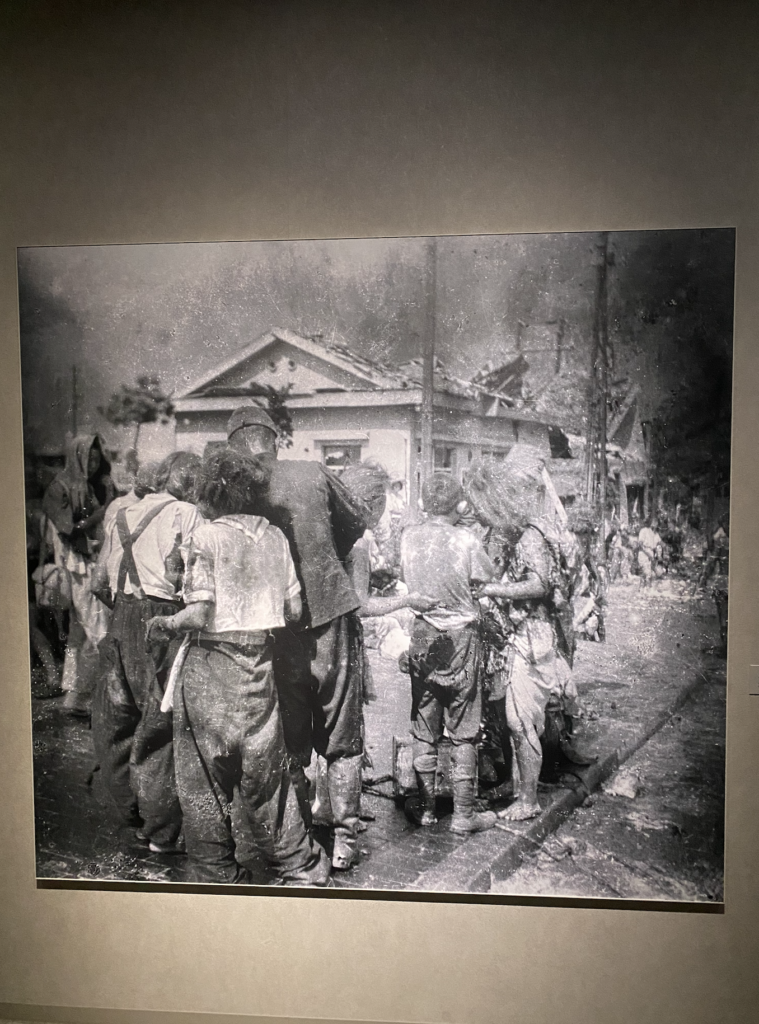
Closing: What I Brought Home From Ground Zero
I didn’t leave Hiroshima with despair. I left with something closer to clarity. The city is, itself, proof that even the most catastrophic collapse of a system is not the end of the story — that rebuilding, done with intention, can produce something more resilient and more meaningful than what existed before.
But Hiroshima’s entire moral authority rests on one non-negotiable premise: that the world takes seriously the possibility of repetition. Eighty years on, standing where the clock stopped, that premise felt less settled than I expected it to.
That is the message I’m carrying back into how I build: plan for shocks you hope never arrive, invest in the relationships that outlast any single system, and never mistake the current peace for a permanent one. It was never permanent for Hiroshima. It isn’t permanent for any of us.
FAQ: Hiroshima’s 80th Anniversary and Today’s Geopolitics
Why is 2025 the 80th anniversary of Hiroshima? The atomic bombing of Hiroshima occurred on August 6, 1945. Eighty years later, in August 2025, Japan and the international community marked the anniversary with ceremonies at the Hiroshima Peace Memorial Park, drawing renewed global attention to nuclear risk.
What is the Genbaku Dome? The Genbaku (Atomic Bomb) Dome is the preserved ruin of Hiroshima’s former Industrial Promotion Hall, left largely as it stood after the 1945 blast. It is a UNESCO World Heritage Site and the visual centerpiece of the Hiroshima Peace Memorial Park.
Why does Hiroshima matter to current geopolitics? Hiroshima stands as the historical reference point for global nuclear taboo. Its anniversary has taken on renewed significance amid weakening arms-control agreements, nuclear rhetoric tied to the Russia-Ukraine war, rising tensions in the Taiwan Strait, and the growing role of AI in military decision-making.
How does geopolitical risk affect founders and businesses in Asia? Founders operating supply chains, travel corridors, or partnerships across the Asia-Pacific region — particularly involving Thailand, China, and neighboring markets — face direct exposure to trade policy shifts, semiconductor supply chain disruption, and regional security tensions. Treating geopolitical literacy as core business infrastructure, rather than a background risk, is increasingly a competitive differentiator.
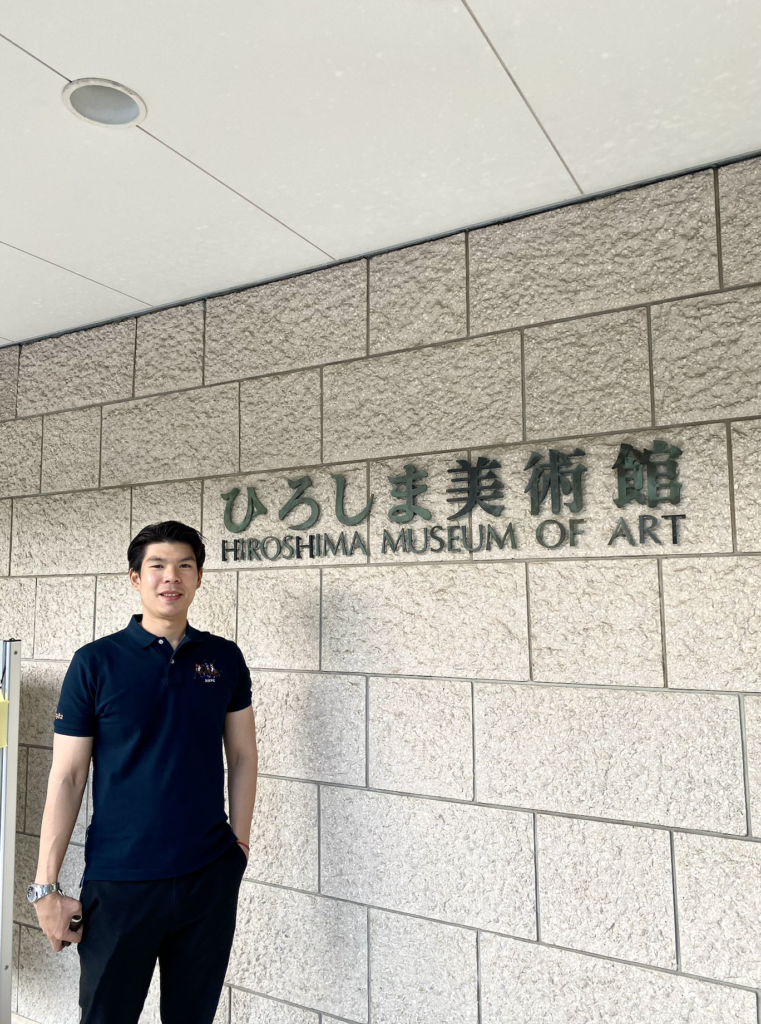
Jayrin is the founder of Xin Ventures, building a portfolio of health, longevity, and travel ventures across Thailand and Greater China. He writes on the intersection of business, technology, and geopolitics at xin.ventures.